
No products in the cart.

Best Carriers by Age: Finding the Right Fit from Newborn to Toddlers
As your baby grows, their comfort and carrying needs evolve too. The soft wrap that keeps a newborn snug and calm may not be ideal for an active 8-month-old who wants to look around and explore. That’s why choosing the best baby carrier by age is so important — it ensures safety, comfort, and freedom for both you and your little one.
In this guide, we’ll walk you through the best carriers for newborns, infants, and toddlers, showing how each stage calls for a slightly different design and level of support. You’ll learn which carriers are perfect for those first bonding months, which offer stability for heavier babies, and which give toddlers room to grow while keeping them close.
Whether you’re a new mum exploring wraps, a dad looking for a sturdy, structured carrier, or parents ready to upgrade for your growing child, this post helps you find the right fit for your baby’s age and your lifestyle.
Tip: If you’re still unsure which type of carrier suits your routine, start with our Complete Parents’ Guide to Choosing the Best Baby Carrier in Kenya (connect with the guide blog). It breaks down all carrier types and what makes each unique.
Now, let’s look at how your baby’s age and weight determine the best carrier for comfort, safety, and support.
Baby Carrier Guide by Age and Weight
| Baby’s Age | Approx. Weight | Recommended Carrier | Why It Works |
|---|---|---|---|
| 0–2 months | 3–5 kg | Wrap or Sling Carrier | Keeps newborns close for bonding and warmth. Perfect for skin-to-skin contact and breastfeeding. |
| 3–4 months | 5–6.5 kg | Soft-Structured Carrier (Front Carry) | Offers gentle head and neck support while giving you freedom to move. |
| 5–8 months | 6.5–9 kg | Hip Seat or Soft-Structured Carrier | Handles extra weight comfortably, supports growing hips and spine. |
| 9–12 months | 9–11 kg | Hip Seat or Backpack Carrier | Great for active babies who like to face outward or explore. Provides even weight distribution. |
| 12 months+ | 11–15 kg | Backpack or Toddler Carrier | Ideal for longer walks, errands, or outdoor adventures. Sturdy, ergonomic, and built for heavier babies. |
Tips for Choosing Based on Weight
- For smaller newborns: Look for wraps or slings made from stretchy cotton or jersey fabric that can adjust snugly around the baby’s body.
- For heavier babies: Choose structured or hip seat carriers with strong waistbands and padded shoulder straps — they’ll save your back.
- For fast-growing babies: Consider carriers with adjustable panels so you don’t need to buy a new one every few months.
- For plus-size or petite parents: Focus on adjustable buckles and straps — you’ll get a better fit and more even weight distribution.
Safety Reminder: Always check your carrier’s weight limit (usually indicated on the product tag or listing). Even if your baby is within the right age range, exceeding the weight limit can cause strain or unsafe positioning.
Browse our collection of baby carriers designed for every age and weight to find the perfect fit for you and your little one.
Best Carrier for Newborns (0–2 months)
Images of Wraps to take the Tash Baby Store baby carriers category
In the first few weeks of life, your baby’s body is still adjusting to the world outside the womb. Neck muscles are weak, their spine is still in a curved “C” shape, and they crave closeness and security.
For this stage, the ideal carrier is a wrap or sling — soft, snug, and flexible enough to support your baby’s head and body safely.
Best Choice: Light cotton or stretchy wrap that hugs your baby snugly against your chest. It’s cozy, safe, and perfect for bonding moments or breastfeeding on the go.
Good to Note: Make sure your baby’s face is always visible and their head supported. Keep the fabric snug but not tight, and choose breathable material for Kenya’s warm weather.
Best Baby Carrier for 2-6 Months
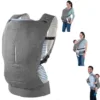
Images of structured baby carriers
As your baby grows stronger and gains head control, you’ll notice they want to see more of the world. Around 2–6 months, babies begin lifting their heads, kicking their legs, and staying awake longer — meaning you need a carrier that balances support and freedom.
At this stage, the best carrier for infants (2–6 months) is a soft-structured carrier that offers firm head and neck support while keeping your baby close and comfortable.
Best Choice: Look for a carrier with adjustable straps, padded shoulder support, and an ergonomic seat that keeps your baby’s legs in the “M” position. It should allow front-carrying (facing inward) to support proper spine and hip development.
Good to Note: Avoid forward-facing positions until your baby has full neck control (usually closer to 5–6 months). Choose a model that’s lightweight yet supportive for longer wearing periods — ideal for errands, walks, or house chores.
Best Baby Carrier for 6–12 Months
By 6–12 months, your baby is far more active — sitting up, reaching for things, and wanting to see everything happening around them. At this stage, comfort for both parent and baby becomes even more important since babies are heavier and more mobile.
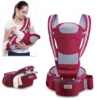
The best carrier for 6–12 months is a hip seat or structured carrier that evenly distributes weight across your shoulders and hips while giving your baby room to move.
Best Choice: A hip seat carrier with a wide waistband offers great support for your back and reduces shoulder strain. Convertible structured carriers that allow both inward and outward-facing positions are ideal for this curious, playful stage.
Good to Note: Ensure your baby’s legs remain in the ergonomic “M” position, even when facing outward. If you plan long walks or errands, choose a carrier with breathable mesh fabric — perfect for Kenya’s warm climate.
Best Baby Carrier for Toddlers (12 Months and Beyond)
Once your baby crosses the one-year mark, they’re likely more adventurous and heavier, often between 11–15 kg. At this stage, carriers need to prioritize stability, support, and freedom for both of you.
Best Choice: A toddler or backpack carrier works best for this age. It’s designed with sturdy frames, padded straps, and strong back support to handle longer walks, errands, or outdoor adventures. Many models also have small storage pockets, making them convenient for short trips.
Good to Note: Choose carriers with adjustable panels and shoulder straps to grow with your child. Always check the maximum weight limit before use, and ensure your baby can sit up unassisted before transitioning fully to a backpack carrier.
Conclusion
Your baby’s needs change fast — and so should your carrier. From those soft, cuddly newborn wraps to the sturdy toddler backpacks built for adventure, the right carrier evolves with every stage of your little one’s growth.
Whether you’re a first-time parent or adding another bundle of joy to the family, understanding your baby’s age and weight helps you choose wisely, keeping both comfort and safety in balance.
If you’re still unsure which type of carrier suits your lifestyle, check out our full guide — How to Choose the Best Baby Carrier in Kenya — for an easy breakdown of carrier types, comfort tips, and safety pointers.






Add comment