Finding the best baby carrier in Kenya can feel overwhelming especially for new parents trying to balance comfort, safety, and convenience. With so many options available, how do you know which one fits your baby’s age, your lifestyle, and your body best?
Baby wraps are perfect for newborns, offering warmth, closeness, and that calming skin-to-skin bond.
As your baby grows, a soft-structured or hip seat carrier becomes ideal for infants aged 3 months and above and supportive for mums, dads, and plus-size parents alike.
For active families, the baby backpack carrier (or infant hiking carrier) works best for babies who can sit up, perfect for outdoor adventures.
The right choice also depends on who’s wearing it.
New mums may prefer wraps for breastfeeding ease, while dads often go for easy-clip structured carriers. Petite parents might love lightweight slings, and plus-size parents benefit from wide, adjustable straps.
Every family’s needs are different. This guide will walk you through how to choose the perfect baby carrier — what to consider, the best types by age and lifestyle, and practical tips from real Kenyan parents.
Let’s explore the complete guide and find the perfect carrier for your family’s needs
Understanding the Different Types of Baby Carriers: Which One Fits Your Lifestyle?
Once you know you need a baby carrier, the next question becomes, which one is right for you?
Every parent’s lifestyle is different. Some want something cozy for bonding in those first few months, while others need a carrier that can handle errands, walks, or even weekend adventures. Here’s a quick guide to help you understand the main types of baby carriers and what makes each one special.
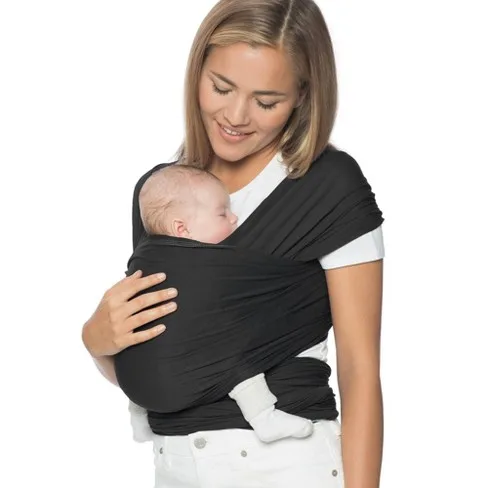
Baby Wrap Carriers
If you’re just starting out, baby wraps are often the go-to choice for newborns.
They’re made from soft, stretchy fabric that hugs your baby close — almost like a warm embrace. This closeness helps your little one feel secure while giving you free hands to move around.
Best for:
- Newborns and small infants (0–3 months)
- Mums who want hands-free nursing or skin-to-skin bonding
- Petite parents who prefer something light and flexible
Good to know: Wraps take a little practice to tie correctly, but once you get used to them, they’re one of the most comfortable and natural ways to carry your baby.
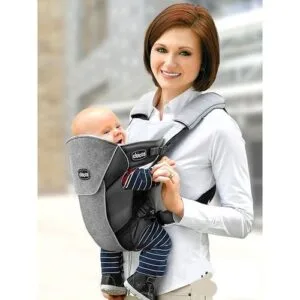
2. Soft-Structured Carriers (SSC)
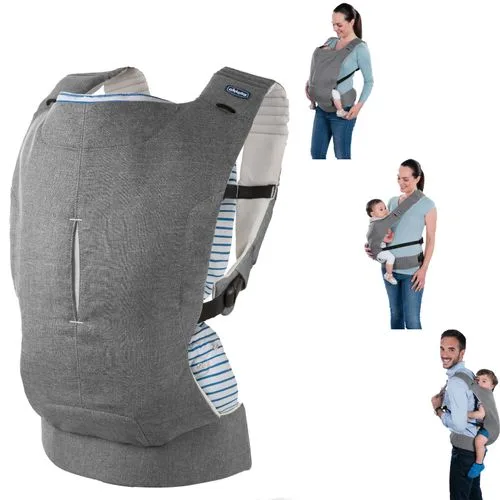
Think of these as the “everyday” carriers — easy to put on, easy to adjust, and perfect for busy parents.
With padded straps, buckles, head support, and lumbar support, they keep both you and your baby comfortable for longer periods.
Best for:
- Infants 3 months and above
- Parents who need quick on-and-off convenience
- Dads and plus-size parents (thanks to adjustable straps)
Good to know: These carriers are great for families who share one carrier, since most designs fit different body types.
3.Hip Seat Carriers
If your baby’s getting heavier and you want better balance and back support, the hip seat carrier is a smart upgrade.
It includes a small padded seat that supports your baby’s weight, reducing pressure on your back and shoulders.
Best for:
- Babies 5 months and older
- Heavier infants or toddlers
- Parents who like alternating between front and side carry positions
Good to know: The seat helps you hold your baby more naturally, especially during longer walks or daily chores.
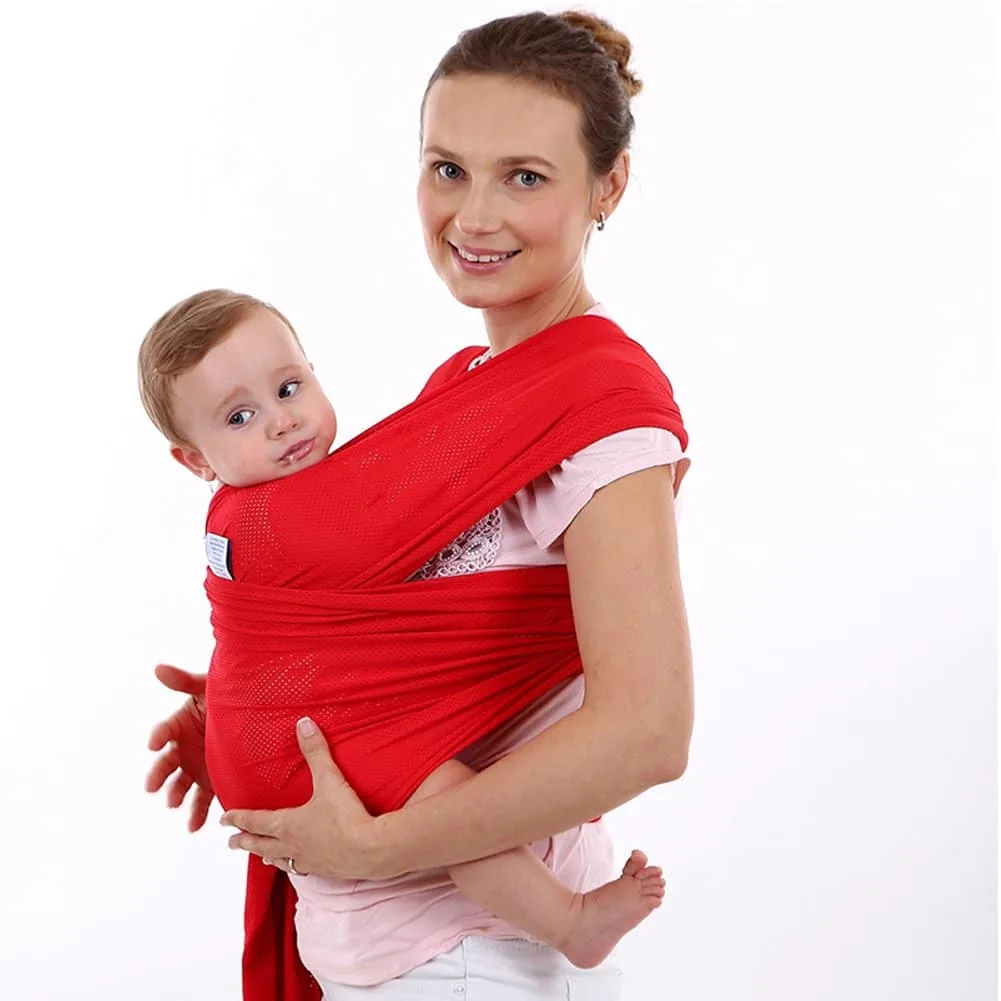
4. Sling Carriers
Slings are perfect for quick errands or soothing your baby at home.
They’re made from a single piece of fabric that rests over one shoulder, allowing easy adjustment and closeness. Many mums also find slings convenient for discreet breastfeeding in public.
Best for:
- Newborns up to 6 months
- Breastfeeding mums
- Parents who prefer simple, lightweight carriers
Good to know: Since slings rest on one shoulder, they’re better for shorter wear or lighter babies.
5. Infant Hiking Backpacks
If your family loves the outdoors, this is your adventure partner.
Infant hiking backpacks are built for longer use and better support, with sturdy frames, padded straps, and sometimes even sunshades.
Best for:
- Babies 6 months and older (who can sit up)
- Active parents or weekend explorers
- Dads who prefer a sporty look and feel
Good to know: They’re bulkier than other carriers, but unbeatable for family walks, travel, or hikes.

Comfort and Fit: Choosing the Right Baby Carrier for You
When it comes to finding the best baby carrier in Kenya, comfort and fit are everything — for both you and your little one. The right carrier should feel supportive, easy to wear, and suited to your lifestyle and body type.
Every parent’s body and routine are different, so what works perfectly for one family may not suit another. Here’s how to choose a carrier that fits your needs and keeps both you and baby happy.
New Mums
New mums often prefer wraps or slings because they’re soft, flexible, and promote close bonding through skin-to-skin contact. They’re perfect for newborns up to about 7kg (3–4 months old) and allow easy breastfeeding. Look for breathable, stretchy fabric that adjusts comfortably around your body.
Dads
Many dads go for soft-structured or hip seat carriers. They’re straightforward — no complicated wrapping — just buckle up and go. These carriers offer great back and shoulder support and can handle heavier babies (7–15kg) comfortably.
Plus-Size Parents
For plus-size parents, adjustability is key. Look for carriers with wide, padded straps, long waistbands, and supportive buckles that won’t dig in. Hip seat and structured carriers are ideal because they distribute weight evenly and reduce strain.
Petite Parents
Petite mums and dads often prefer lightweight wraps, ring slings, or compact structured carriers that don’t overwhelm their frame. Go for slimmer straps, less padding, and easily adjustable options to achieve a snug fit without bulk.
Active or Outdoor Parents
If you love outdoor walks or hikes, a baby backpack carrier (also known as a hiking carrier) is a great pick. Designed for babies who can sit upright independently (around six months and above), it offers sturdy back support, padded shoulder straps, and ventilation for longer use.
Quick Tip: When trying out a baby carrier, check how your baby’s weight feels after 10–15 minutes. You shouldn’t feel shoulder or back pressure; if you do, the carrier might not fit your body type or might not be adjusted correctly.
Things to Consider Before Buying a Baby Carrier
Choosing the best baby carrier in Kenya isn’t just about style — it’s about safety, comfort, and convenience for both parent and baby. Before you buy, here are key factors every parent should consider.
1. Baby’s Age and Weight
Different carriers suit different stages of your baby’s growth:
- Newborns (0–3 months, under 7kg) – Wraps or soft slings are best. They keep your baby snug, close, and supported while maintaining the natural “C” curve of their spine.
- Infants (3–8 months, 7–10kg) – A soft-structured or hip seat carrier offers better back and shoulder support as your baby becomes heavier.
- Older babies (8 months and above) – Look for hip seat or backpack carriers that handle more weight (up to 15–20kg) comfortably.
For a full breakdown by age — from newborns to toddlers — read our detailed guide: Best Carriers by Age: Finding the Right Fit from Newborn to Toddlers
2. Ease of Use and Learning Curve
Some carriers — like wraps — need a bit of practice to tie properly, while soft-structured carriers are quick to put on and take off. If you want something “easy on, easy off”, go for structured or hip seat options.
New mums who enjoy the closeness might prefer wraps, while busy parents (especially dads) often choose buckle carriers for convenience.
3. Comfort and Support
A good baby carrier should distribute your baby’s weight evenly. Look for padded shoulder straps, a supportive waistband, and adjustable back support to prevent strain. For longer wear or heavier babies, structured or hip seat carriers are ideal.
4. Material and Breathability
Kenya’s warm climate makes breathable fabric essential. Choose lightweight, cotton, or mesh materials that keep both you and baby cool. Also, look for machine-washable fabrics — babies drool and spill often!
5. Fit for Different Body Types
Make sure the carrier suits your body size.
- Plus-size parents – look for extra-long straps and wider waistbands.
- Petite mums – go for compact designs with easily adjustable buckles.
- Both parents sharing one carrier – pick an adjustable design that can comfortably fit everyone.
6. Lifestyle and Use
Think about how and where you’ll use the carrier:
- For everyday errands, soft-structured or hip seat carriers are great.
- For indoor bonding and breastfeeding, wraps or slings are best.
- For outdoor adventures, a sturdy hiking or backpack carrier offers extra safety and comfort.
7. Ease of Cleaning
Parent life can get messy — milk spills, drool, and sweat happen. Opt for easy-to-clean fabrics that are machine washable and quick-drying. Avoid bulky padding that takes too long to dry.
Pro Tip: Before buying, try the carrier (if possible). Wear it for 10–15 minutes — move around, bend slightly, and check if it stays comfortable. The best baby carrier should feel natural, not like extra work.
Conclusion
Choosing the right baby carrier comes down to comfort, safety, and lifestyle fit. Whether you’re a new mum bonding with your newborn, a dad looking for convenience, or parents needing something strong for heavier babies, there’s a perfect carrier for every stage.
Always consider your baby’s age, weight, and your daily routine before deciding. A well-fitted carrier should feel like an extra pair of arms — secure for your baby and comfortable for you.
At Tash Baby Store, we stock a wide selection of baby carriers in Kenya — from cozy wraps for newborns to structured and hip seat carriers for older infants. Browse our collection to find the perfect fit for your growing family.


Add comment