
No products in the cart.
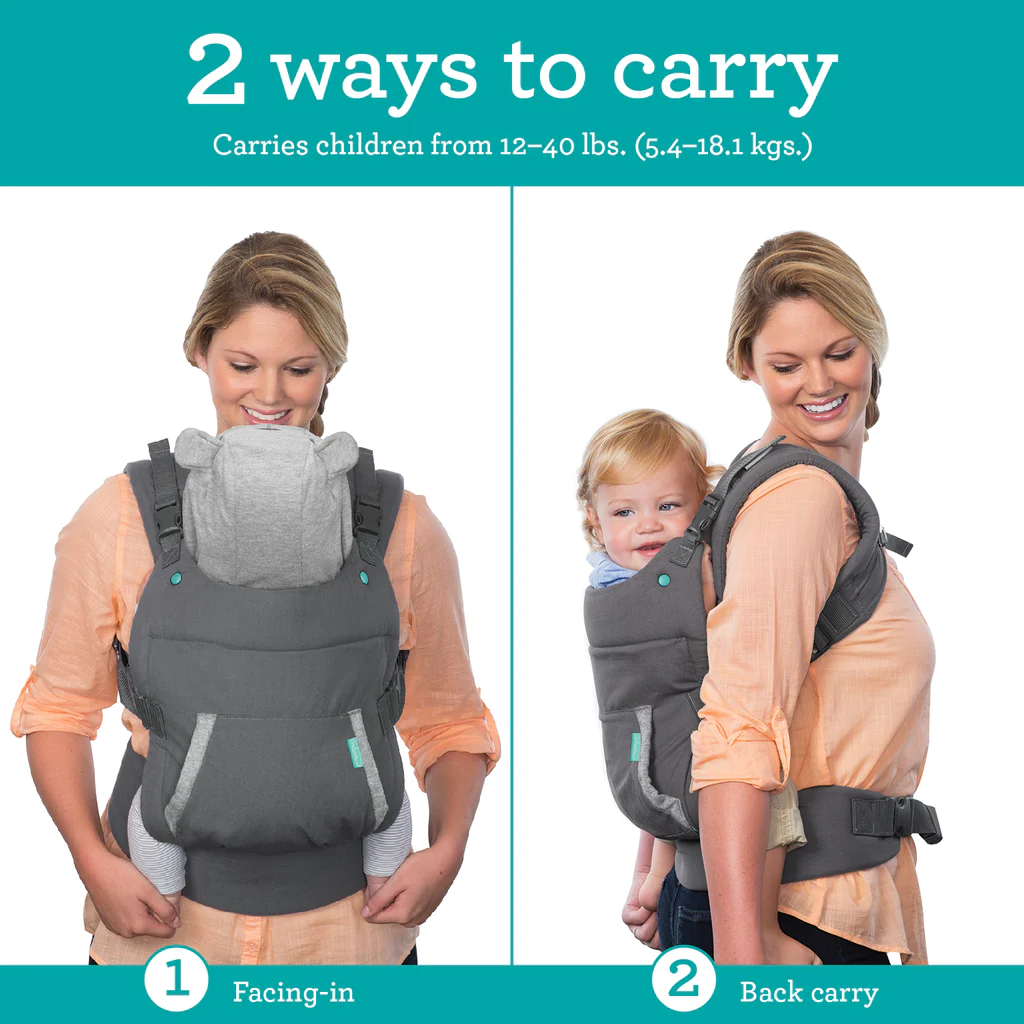
Are Baby Carriers Worth Buying (By Kenyan Parents)?
Every new parent in Kenya eventually asks this question: “Do I really need a baby carrier?”
With so many options in the market, from wraps to structured carriers and hip seats, it’s easy to wonder if it’s just another baby trend or something that truly makes life easier.
For most Kenyan parents, the answer depends on their lifestyle, daily routines, and even their location. Mums who juggle errands, commutes, or household chores often find a carrier to be a game-changer, freeing up their hands while keeping their baby close and calm. Others prefer strollers or traditional kangas, saying carriers aren’t always necessary for short distances.
In this post, we’ll share what real Kenyan parents think about baby carriers, the pros, the challenges, and whether they’re really worth the investment. By the end, you’ll know if it’s something your family truly needs or just a nice-to-have baby item.
What Is Babywearing and How Do Carriers Fit In?
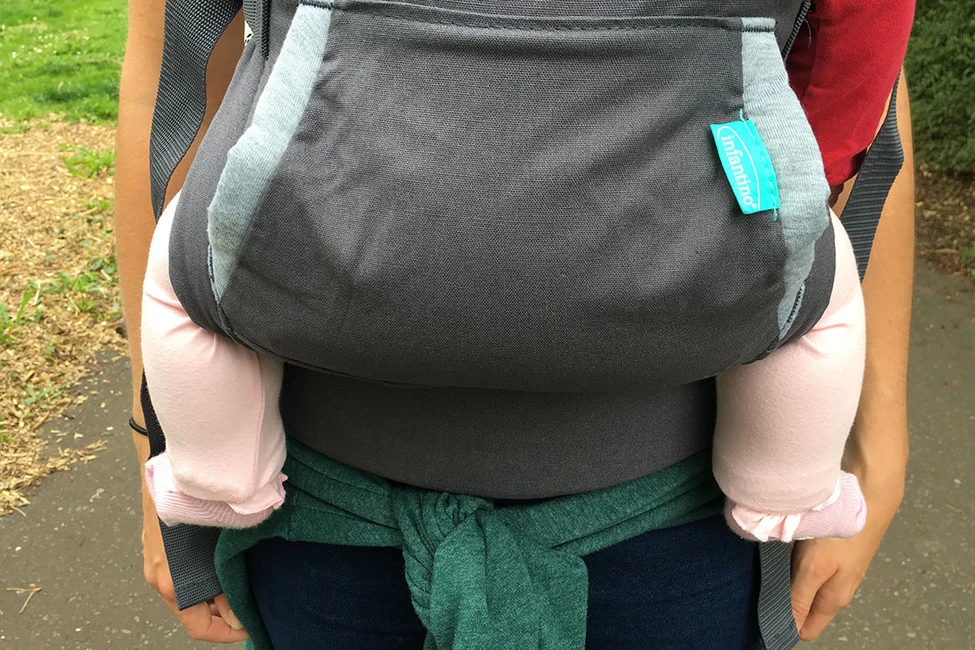
Before diving into whether baby carriers are worth it, it helps to understand what babywearing really means. Babywearing is the practice of carrying your baby close to your body using a cloth, wrap, or structured carrier. It’s not new, in fact, it’s something many Kenyan mums have done for generations using kangas or lesos.
Modern baby carriers simply build on that same idea; they’re designed for comfort, safety, and convenience. Instead of tying fabric manually each time, they use adjustable straps, padded support, and ergonomic shapes to make carrying your baby easier for longer periods.
For many Kenyan parents, this is where the difference lies. A traditional kanga wrap is perfect for short walks, quick naps, or keeping your baby close at home. But when you’re commuting, shopping, or multitasking, a structured baby carrier offers extra back and shoulder support and frees your hands while keeping your baby snug and secure.
In short, babywearing is the concept, and baby carriers are the modern tools that make it more practical for today’s busy lifestyle.
Why Some Kenyan Parents Swear by Baby Carriers
Talk to a few new mums and dads, and you’ll quickly hear a mix of relief and joy when it comes to using a baby carrier. For many, it’s not just about convenience — it’s about connection.
“My baby sleeps faster when I carry her close. It’s like magic!” — Grace, Nairobi mum of one.
Carriers give parents the freedom to move while keeping their babies calm and comforted. Whether you’re doing light chores at home, walking to the market, or taking a short evening stroll, the closeness often helps reduce crying and supports bonding.
Why parents love them:
- You stay hands-free — ideal for multitasking parents.
- Babies feel secure and sleep better when close to your heartbeat.
- Great for travel, errands, or walks where a stroller might be inconvenient.
- Comfortable even for dads who want to share carrying duties
But Are They Really Worth Buying?
This is where many parents hesitate, especially with carriers ranging from Kes 2,500 to Kes 10,000 or more.
So, are they worth it? The answer depends on your daily routine and priorities.
If you have an active lifestyle or need to move around a lot, a carrier can quickly become one of your best parenting investments. Parents who live in apartments without lifts, commute often, or have energetic toddlers often say the same thing — it’s a lifesaver.
On the other hand, if you mostly stay home or have someone who helps you with the baby, you may not use it as frequently.
Good to note: Some parents start with affordable options like wraps or sling carriers, then upgrade to ergonomic models (like Infantino or Chicco) once they realize how useful they are.
Common Concerns Kenyan Parents Have on Baby Carriers
Even with all the benefits, a few understandable worries come up:
- Safety: Is my baby’s spine or hips safe? (Yes, if used correctly — always choose ergonomic carriers that support the “M” sitting position.)
- Heat: Kenya’s weather can get hot, so breathable fabric is key.
- Age fit: Some carriers claim “newborn safe” but actually fit best after 5.5 kg; always check the label.
- Comfort for parent: Not all carriers distribute weight evenly — padded shoulder and waist straps make a huge difference.
Good to note: If you plan to share the carrier with your partner, look for adjustable straps that suit different body sizes.
Real Opinions from Kenyan Parents
From our reviews and parent feedback, most agree that baby carriers change how they handle day-to-day parenting.
- “My baby used to cry every evening. With the Infantino Hoodie Carrier, I can finally walk around and get her to sleep fast.” — Wanjiku, Nakuru.
- “Worth every shilling! Especially during travel — I couldn’t imagine carrying my stroller everywhere.” — Kevin, Nairobi.
It’s clear that once parents find the right fit, babywearing becomes a part of their lifestyle.
Final Thoughts: Are Baby Carriers Worth It?
If you value closeness, convenience, and calm — then yes, baby carriers are worth it.
They may not replace every traditional method, but they blend modern comfort with the warmth of our Kenyan parenting roots.
Start with something simple and comfortable for your baby’s age, and don’t overthink the brand. The best carrier is the one that makes both you and your baby feel safe, supported, and connected.










Add comment