
No products in the cart.
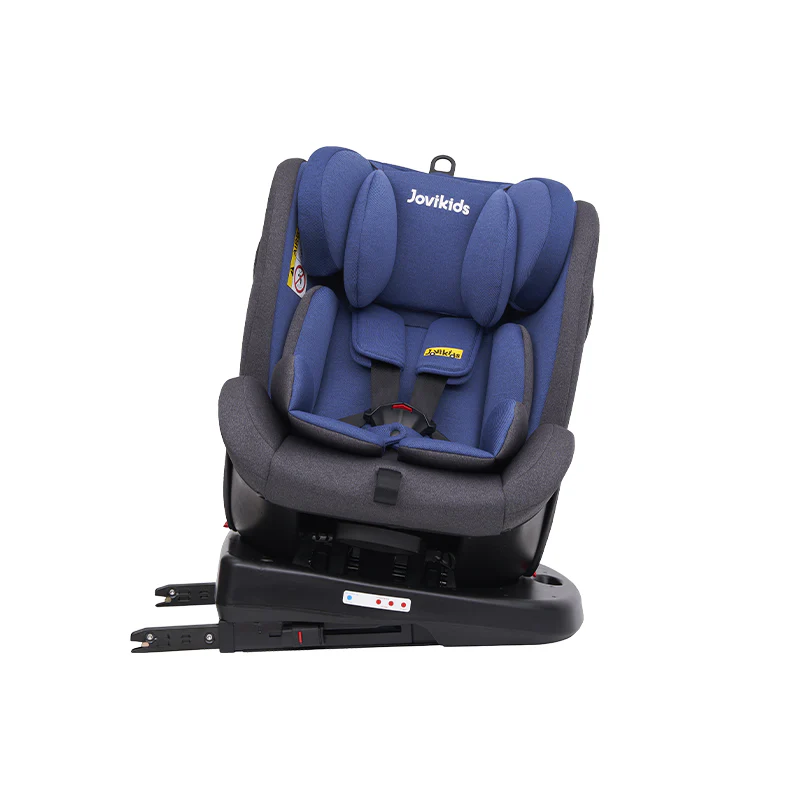
Top 10 Safety Features Every Car Seat Should Have
Let’s be honest: buying a car seat feels like the highest-stakes purchase you will ever make. You’re entrusting a piece of gear with your child’s life, and in Kenya, where the roads can be unpredictable and journeys long, you need absolute assurance. But the jargon like LATCH, ISOFIX, SIP can be overwhelming!
We want to empower you. This isn’t just a list of features; it’s a checklist of essential car seat safety features designed to absorb crash forces and keep your little one secure. Before you commit, grab this guide and run down these 10 essential car seat safety features that turn a good seat into a great one. You deserve to drive knowing you chose the best defense for your precious passenger.
1. The Full-Body Hug: The 5-Point Harness System
The Feature: Five separate straps connect at five points: two at the shoulders, two at the hips, and one between the legs, all meeting at a central buckle.
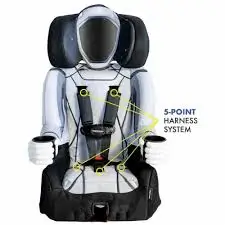
This is the heart of the car seat safety features. When you buckle them in, you are giving your child a secure, full-body hug. The 5-point system distributes the force of a crash across the strongest bones in their body, the hips and shoulders, preventing the dangerous concentration of impact on the soft abdomen. You want this system to be easy to tighten and release with a single button.
2. The Anchor System: LATCH/ISOFIX Compatibility
The Feature: Metal anchor points built directly into the car seat that connect to corresponding anchors (ISOFIX bars or LATCH hooks) built into your vehicle’s back seat.
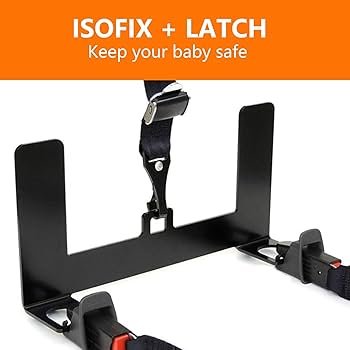
This Car seat safety feature is where most safety errors happen! LATCH/ISOFIX removes the guesswork of using the car’s seatbelt, allowing you to snap the seat securely into the frame of the vehicle. When you hear that definitive “click,” you feel a rush of confidence. It’s the fastest, easiest way to know you have a tight, safe fit. Always check your car to confirm it has these anchors!
3. The Rebound Guard: Anti-Rebound Bar (ARB) or Load Leg
The Feature: A bar or leg that extends from the base of the car seat to the floor or the back of the vehicle seat, typically used with rear-facing seats.
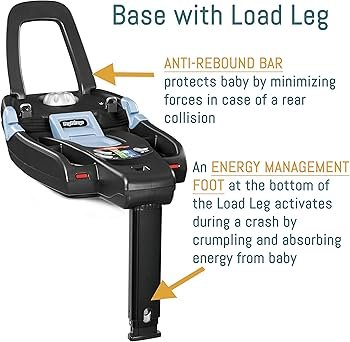
In a frontal collision, a rear-facing seat naturally rotates towards the back of the car (the initial impact) and then rebounds (snapping back toward the vehicle seat). The Anti-Rebound Bar or Load Leg stabilizes the car seat during the rebound phase, dramatically reducing the violent back-and-forth motion and lessening the stress on your baby’s neck and head. It’s the silent protection that minimizes secondary movement.
4. The Protective Shell: Side Impact Protection (SIP)
The Feature: Deep, thick foam, reinforced shells, or special energy-absorbing layers built into the headrest and side wings of the car seat.
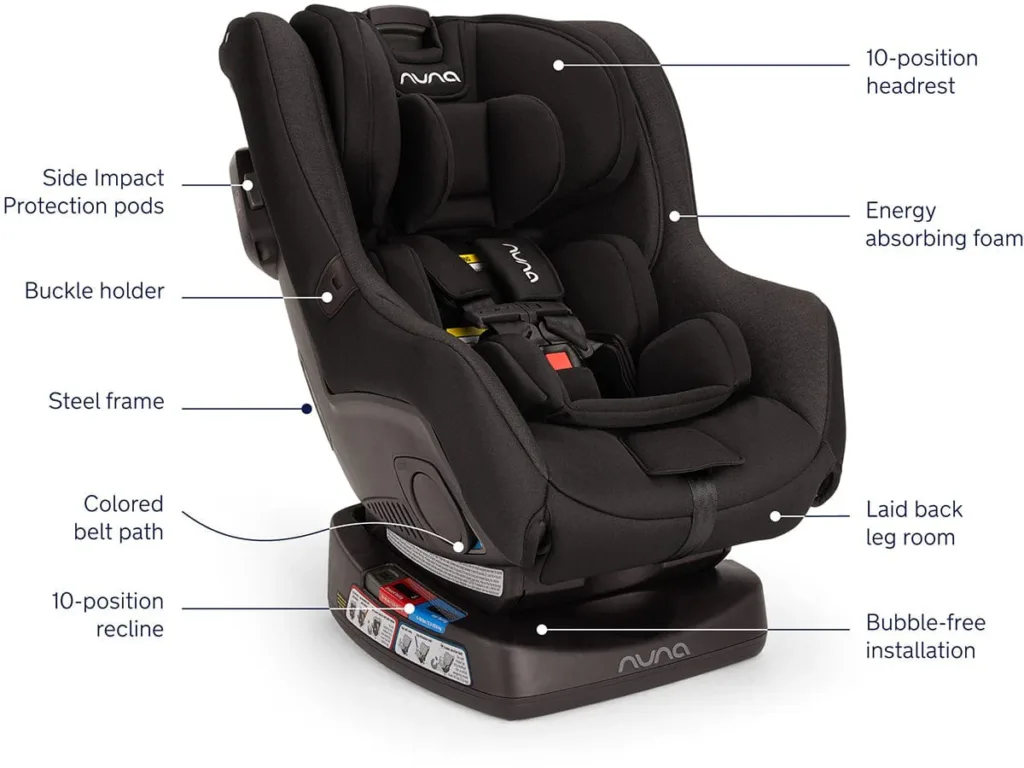
While frontal crashes are common, we can’t forget side collisions. Side Impact Protection acts like a strong buffer, absorbing the crushing energy of a side impact before it reaches your child’s delicate head and torso. Look for seats with visibly deep side wings and energy-absorbing materials like EPS foam. This is your child’s personal bodyguard against collision from the door side.
5. The Perfect Fit: No-Rethread Harness
The Feature: An adjustable headrest and harness system that moves up and down together with one simple motion, typically by pulling a lever at the top of the seat.
Babies and toddlers grow in sudden, unpredictable spurts. Adjusting the harness is a frequent task, and if you have to manually unthread and re-thread straps through different slots, you risk making a mistake. The No-Rethread Harness ensures you always have the straps at the correct height (at or below the shoulders for rear-facing, at or above for forward-facing), saving you time and eliminating that nagging doubt.
6. The Snug Test: Proper Harness Tighteners
The Feature: An easy-pull strap at the foot of the car seat that allows you to instantly tighten the harness straps once your child is buckled in.

The “Pinch Test” is crucial (if you can pinch the harness strap material at the shoulder, it’s too loose!). You need a tightening mechanism that allows you to achieve a snug fit quickly and securely, every single time. Look for smooth, high-quality adjusters that don’t stick or require painful force, especially when you have a squirming toddler!
7. The Time Limit: Clear Expiration Date
The Feature: A sticker, often molded into the plastic, that lists the date the car seat was manufactured and when it officially expires (typically 6 to 10 years later).
You might think plastic lasts forever, but safety technology doesn’t. Over time, plastic degrades due to temperature changes in the car (think hot Kenyan sun!) and the continuous stress of tightening. An expiration date is a promise of reliable integrity. When that date passes, the manufacturer can no longer guarantee the materials will perform as designed in a crash. Always check this date!
8. The Recline Angle Indicator
The Feature: A bubble level, color-coded line, or digital indicator built into the base of the car seat.
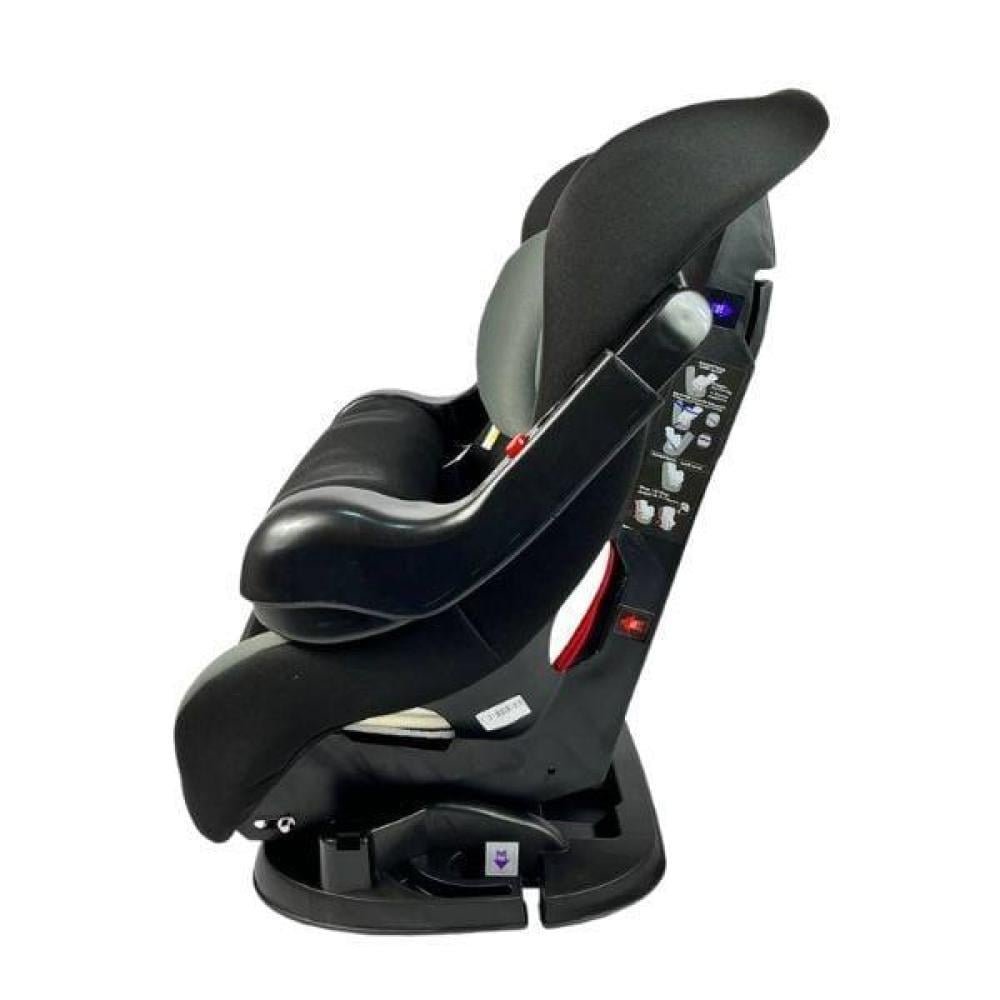
For a newborn, this car seat must be at a specific angle to prevent their head from slumping forward, which can block their airway. An indicator takes the guesswork out of installation, ensuring you achieve the correct recline angle for safe travel right from the first day home. This feature confirms that your baby can breathe freely and safely.
9. The Convenience Factor: Washable and Durable Fabrics
The Feature: Seat covers that are easy to remove and are either machine-washable or wipe-clean.
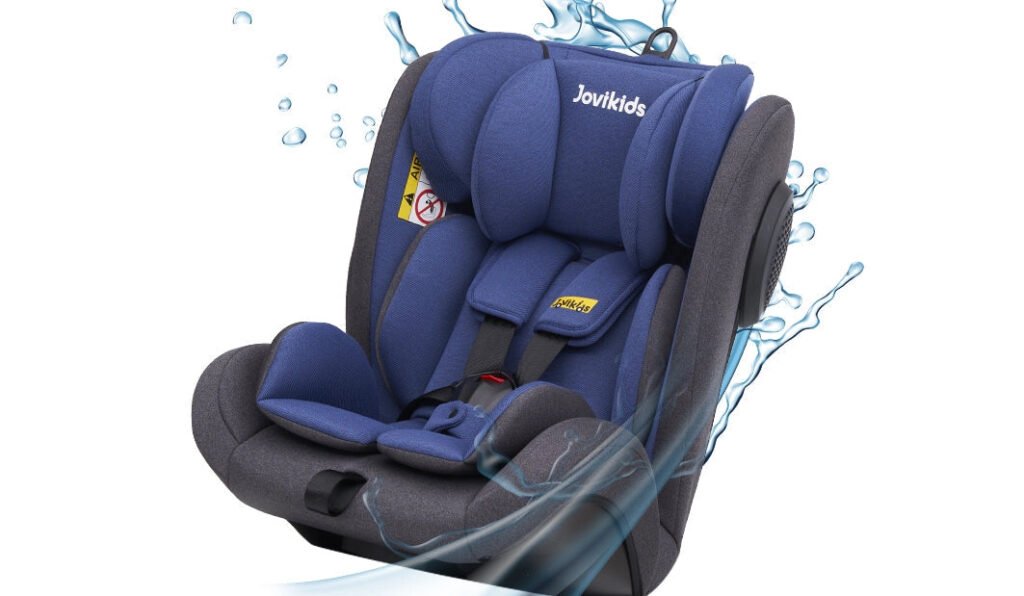
Let’s face it: babies are messy! Spills, blowouts, and motion sickness are facts of life. While this isn’t a crash safety feature, it’s a huge parenting sanity car seat safety feature. Choosing materials that are both durable and easy to clean means you can maintain hygiene without compromising the integrity of the harness straps or the seat itself.
10. The Ultimate Access: Easy-Rotate Function (360°)
The Feature: A base that allows the car seat shell to swivel or rotate fully toward the car door.
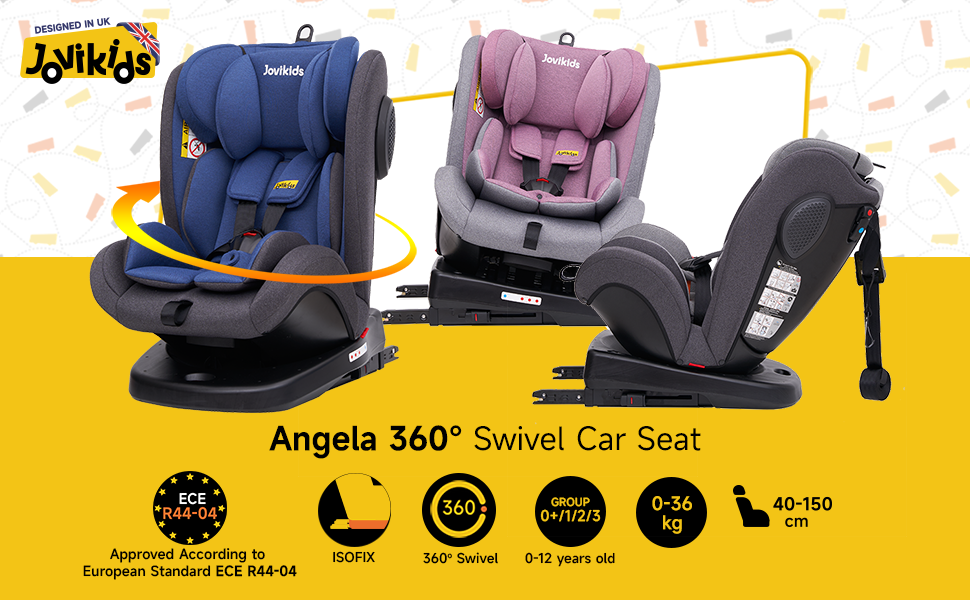
This car seat safety feature, often found on ISOFIX seats, is the ultimate back-saver and stress-reducer. No more contorting your body to lift a heavy, sleepy toddler out of the car! You can comfortably turn the seat to face you, buckle them in easily, and then rotate them back into the proper rear or forward-facing position. It makes daily use simple, which means you’re less likely to skip the trip or rush the buckle process.
Conclusion
You are your child’s first and best protector. Now that you know the Top 10 car seat Safety Features to look for, you can step into our shop or browse our website with confidence, armed with the knowledge to choose a seat that truly works for your family. Prioritize these features, check your installation, and drive knowing you have done everything to ensure your little one has the safest ride possible.









Add comment