
No products in the cart.
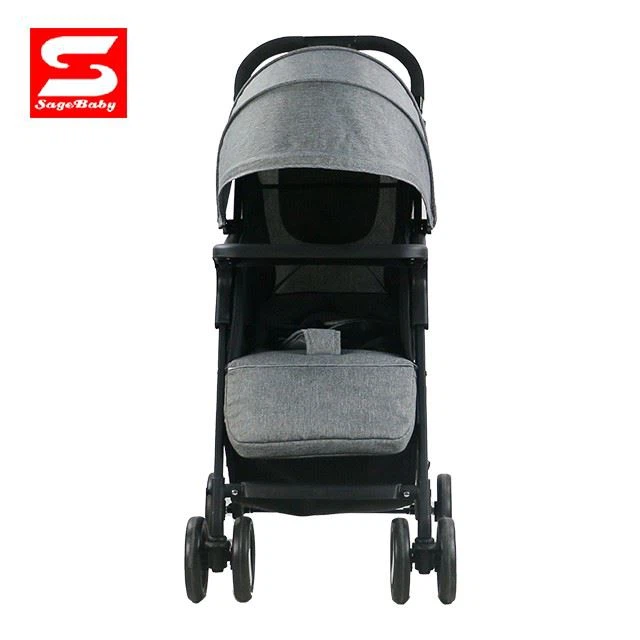
How to Choose a Baby Stroller in Kenya. What Features Do You Really Need?
Buying a stroller can feel exciting at first… until you realize just how many options are out there.
Do you go for the compact foldable one, the stylish travel system, or the heavy-duty jogger?
For Kenyan parents, it’s not just about looks — it’s about practicality. Between our road conditions, small car boots, and busy lifestyles, the right stroller can make parenting smoother, while the wrong one quickly becomes a headache.
Let’s walk through what really matters before you buy.

1. Wheels and Suspension: For Smooth or Rough Roads
Kenyan roads — and sometimes even pavements — aren’t always stroller-friendly. That’s why your stroller’s wheels are a big deal.
- Big wheels + suspension: Ideal if you’ll walk on rough paths or uneven roads.
- Small wheels: Fine for malls, smooth pavements, or indoor use.
- Swivel wheels: Easier to maneuver in tight spaces like supermarkets or airports.
Good to note: If you like jogging or long walks, go for a jogging stroller with durable air-filled tires for a smoother ride.
2. Size and Foldability: Will It Fit in Your Car?
Many parents fall in love with a stroller — only to find out later that it doesn’t fit in the car boot.
Before you buy, measure your car’s storage space and compare it to the stroller’s folded dimensions.
- Look for one-hand fold designs if you’ll often be holding your baby.
- Compact or umbrella strollers are best for smaller cars or apartments.
Good to note: Fold and unfold the stroller at the shop. If it feels too heavy or awkward, it will feel even harder when you’re in a rush.
3. Weight: The Easier, the Better
You’ll be lifting your stroller more often than you think — into the car, upstairs, or through narrow doors.
A lightweight stroller (under 8–10 kg) can save you a lot of back pain and frustration.
Still, balance is key: too light might mean less stability on rough surfaces.
Tip: If both parents will use it, find one that’s easy for both to lift comfortably.
4. Age and Adjustability: Will It Grow with Your Child?
Some strollers fit newborns (fully reclined position), while others are only suitable from 6 months up when babies can sit upright.
For long-term value, consider convertible strollers that adapt from newborn to toddler stages.
They might cost more initially, but save money in the long run.
Good to note: Check the stroller’s maximum weight limit — many go up to 15–20 kg, but heavier toddlers might outgrow them sooner.
5. Storage and Practical Extras
Small details can make daily use easier:
- A roomy storage basket for diapers or groceries.
- Cup holders for your coffee or baby bottle.
- Adjustable handle height if parents have different heights.
- A sun canopy for outdoor walks.
These aren’t always “must-haves,” but they make a big difference in comfort and convenience.
6. Price vs Practicality
While imported brands like Chicco and Graco look sleek, local or mid-range options can offer excellent value.
Think about how often you’ll use the stroller — daily or occasionally — and choose accordingly.
You can find reliable strollers in Kenya from Kes 9,500 –30,000, with premium models going higher.
Final Thoughts: Choose the Stroller That Fits You, Not Just Your Baby
The best stroller isn’t just about fancy features — it’s about how it fits into your life.
If it’s light, folds easily, fits your car, and keeps your baby safe and comfy, it’s the right one.
Before you buy, test it out — push it, fold it, lift it.
If it feels right, that’s your perfect stroller.







Add comment